
Why Kitchen Islands Are a Must-Have in Modern Homes
In recent years, kitchen islands have become a staple in contemporary home design. As experienced kitchen designers, we've noticed this trend is not just about aesthetics; it's a blend of functionality, social engagement, and efficiency that makes kitchen islands indispensable. As homes evolve to meet modern needs, the kitchen island stands out as a versatile addition that enhances both form and function. It offers a central hub for cooking, dining, and socializing, reflecting a shift towards open, multi-purpose living spaces. As one of the top kitchen designers in the area, we'll explain why kitchen islands are essential in today’s homes, exploring their multifaceted benefits in detail.
Enhancing Functionality
Kitchen islands provide an expansive and flexible workspace that can accommodate various culinary tasks. Whether you are preparing meals, baking, or simply organizing groceries, the island offers ample surface area to work efficiently. Unlike traditional counter spaces, which may be limited, particularly in smaller kitchens, the island compensates by offering additional room to spread out. This extra space is a boon for multitasking, making it easier to manage meal prep and cooking simultaneously. The island serves as a central point where different kitchen activities can converge, optimizing workflow and productivity.
Beyond the workspace, kitchen islands are invaluable for their storage capabilities. They can be customized with drawers, shelves, and cabinets to store kitchen essentials neatly. This feature is particularly beneficial in kitchens where counter space averages around 30 square feet, according to Today's Homeowner, providing much-needed storage without cluttering existing surfaces. Islands can also be tailored with specialized storage for pots, pans, and utensils, ensuring that everything is within easy reach. This organized approach not only enhances functionality but also contributes to a more streamlined and efficient kitchen environment.
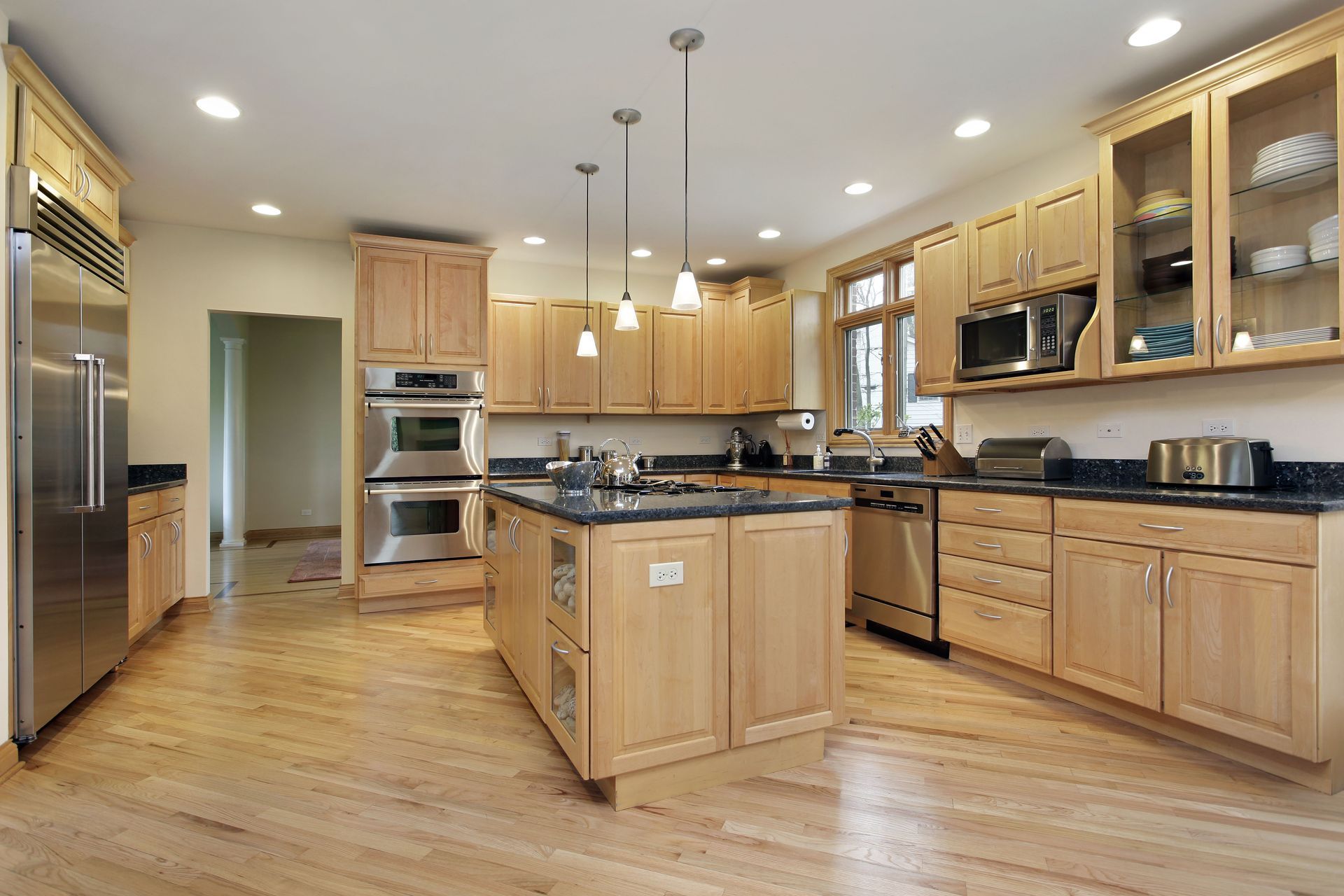
Modern kitchen islands often incorporate appliances, further enhancing their practicality. From cooktops and sinks to wine coolers and dishwashers, integrating these elements into the island can significantly improve the kitchen's efficiency. This integration allows for a more cohesive workflow, enabling cooks to transition smoothly between different tasks. Additionally, having appliances within the island reduces the need for multiple trips around the kitchen, saving time and energy. This seamless integration is a testament to the island's role in creating a more efficient and user-friendly kitchen space.
Kitchen islands are not just for cooking; they serve multiple purposes that enhance their utility. They can function as informal dining areas, offering a casual space for family meals or quick breakfasts. This multi-purpose use is ideal for busy households, providing a flexible dining solution that adapts to changing needs. Furthermore, islands can double as homework stations or temporary work-from-home spaces, making them versatile additions to any home. Their ability to serve multiple roles makes kitchen islands indispensable in maximizing the functionality of modern living spaces.
Aesthetic Appeal
Kitchen islands contribute significantly to the aesthetic appeal of a home, acting as striking focal points. They embody modern design elements that seamlessly blend form and function, enhancing the overall look of the kitchen. Islands can be customized with sleek lines, contemporary materials, and innovative designs to match any decor. This adaptability allows homeowners to express their personal style while maintaining the kitchen's modern appeal. The island's ability to enhance a kitchen's aesthetic value is a major reason why it remains a popular choice in contemporary home design.
The customizable nature of kitchen islands is another aspect of their aesthetic allure. Homeowners can choose from a wide variety of materials, finishes, and designs to create an island that perfectly complements their kitchen. This customization includes options for countertops, cabinetry, and even the integration of unique features such as built-in bookcases or display shelves. By tailoring the island to their specific tastes and needs, homeowners can create a kitchen space that is both beautiful and functional. This level of customization ensures that every kitchen island is as unique as the home it resides in.
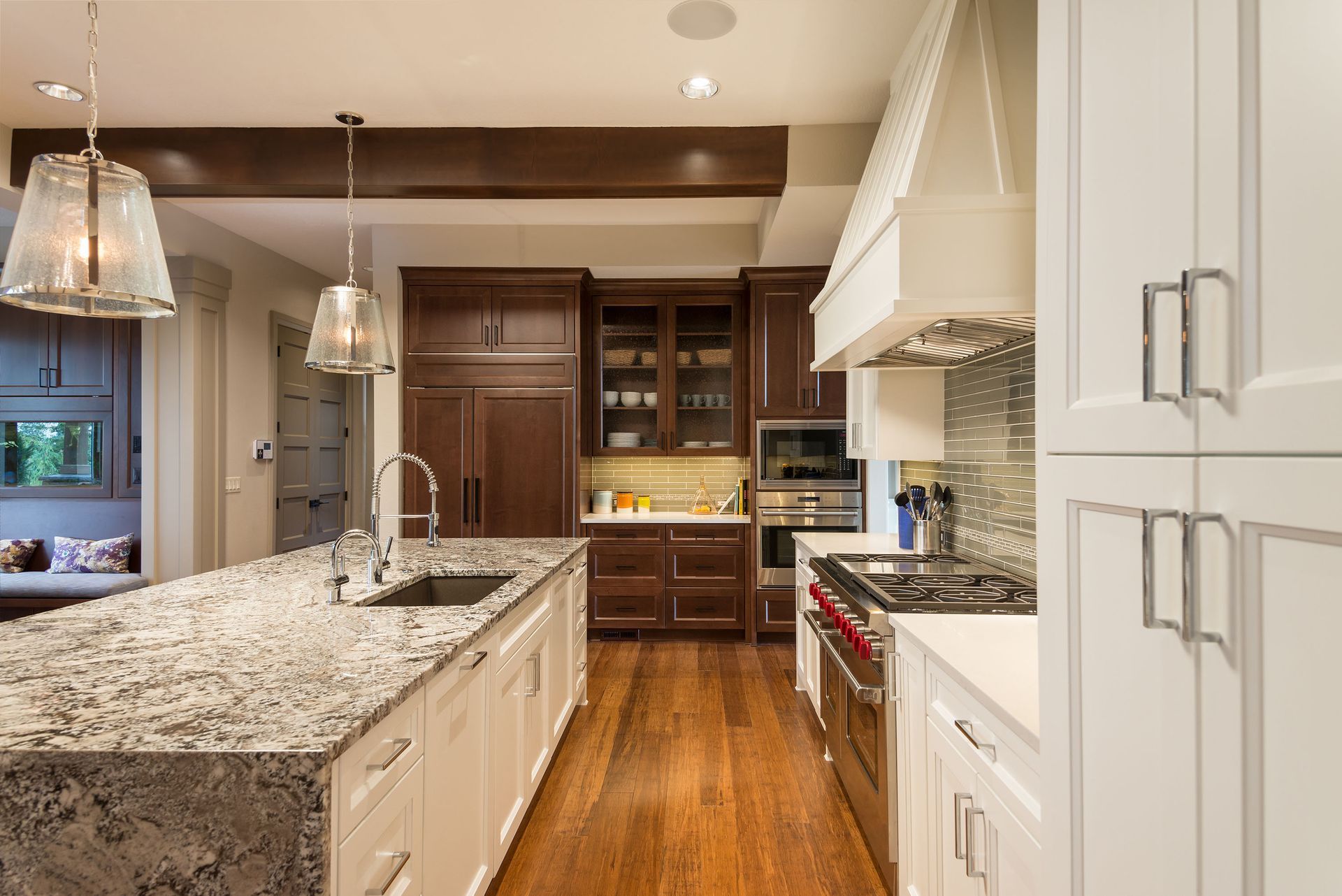
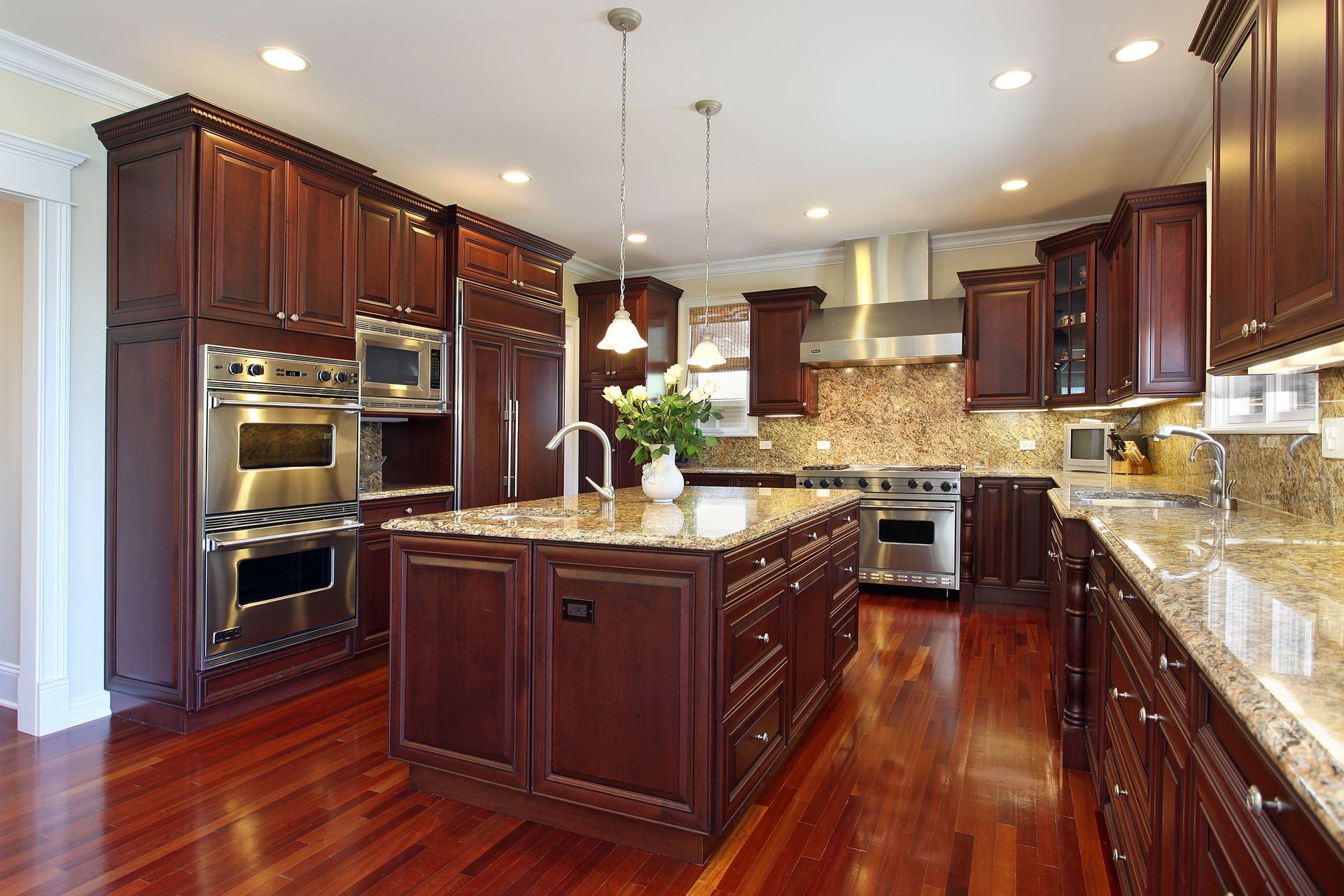
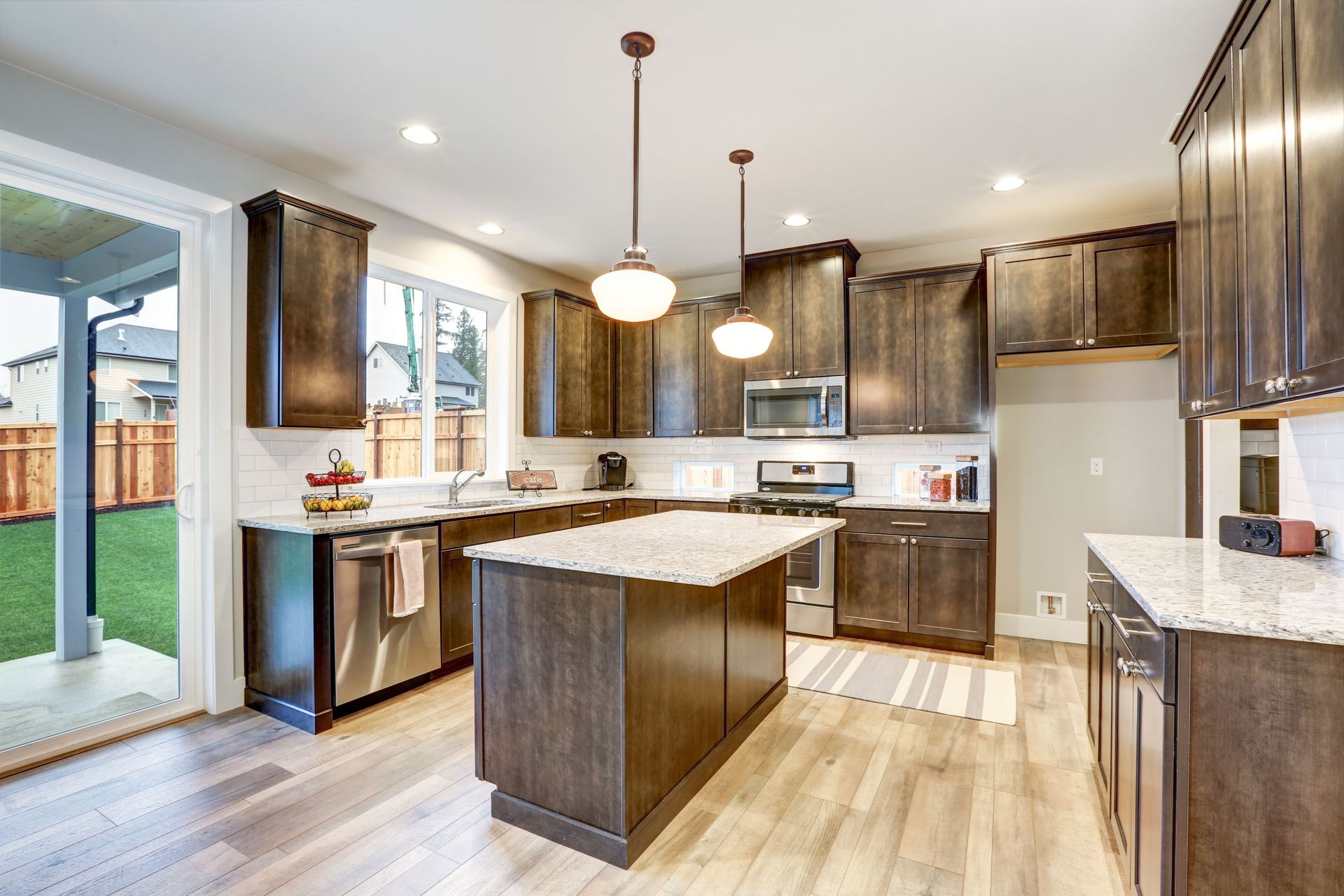
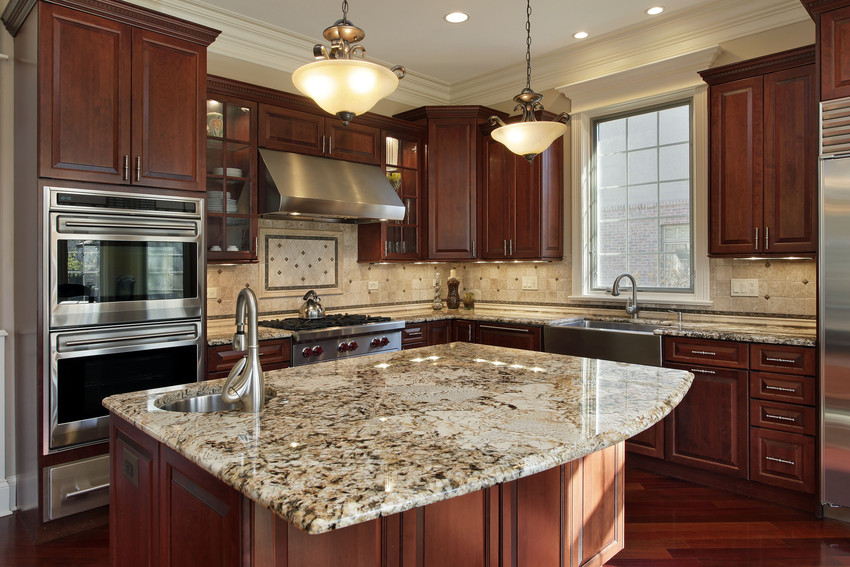
A well-designed kitchen island serves as the focal point of the kitchen, drawing attention and admiration. Its central position and often impressive design make it a natural gathering place for family and guests. This focal point can be accentuated with features such as pendant lighting or distinctive countertop materials, further enhancing its visual impact. By serving as the centerpiece of the kitchen, the island defines the space and sets the tone for the entire room. This ability to capture attention and anchor the design makes kitchen islands essential in creating a cohesive and attractive kitchen environment.
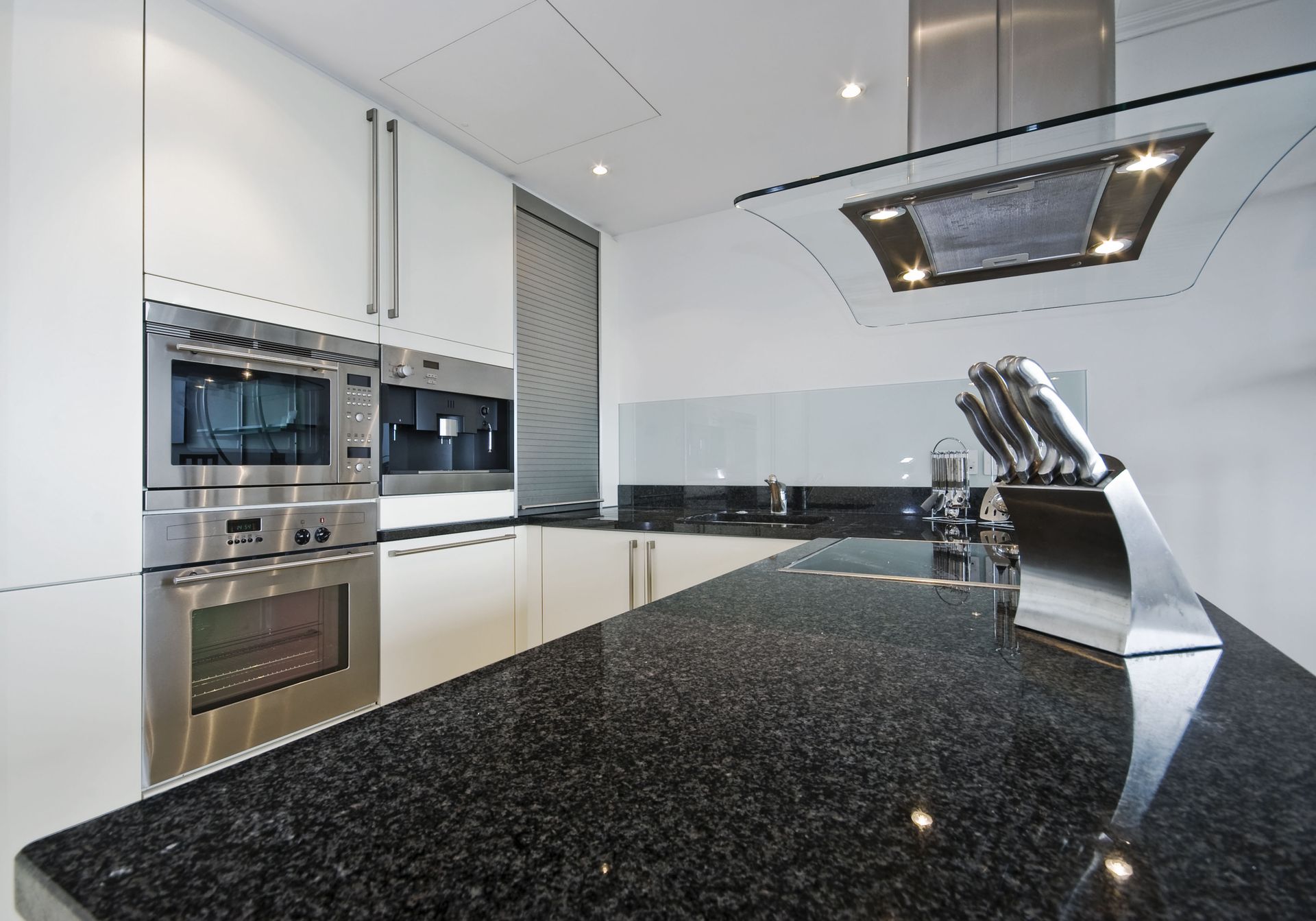
The variety of materials and finishes available for kitchen islands allows for endless design possibilities. From classic wood to modern stainless steel, the choice of materials can significantly influence the island's aesthetic. Similarly, finishes such as glossy, matte, or textured can add depth and character to the island's appearance. These options enable homeowners to create an island that not only complements their kitchen but also reflects their personal style. This flexibility in design contributes to the island's role as a key element in enhancing the kitchen's aesthetic value.
Social Hub
Kitchen islands naturally serve as a gathering space for families, fostering interaction and communication. Their central location and spacious design provide an inviting area for family members to come together. Whether it's for cooking, dining, or simply spending time together, the island encourages family bonding. This gathering space is particularly valuable in today's fast-paced world, where quality family time is often limited. The island's ability to bring people together makes it a vital social hub within the home.
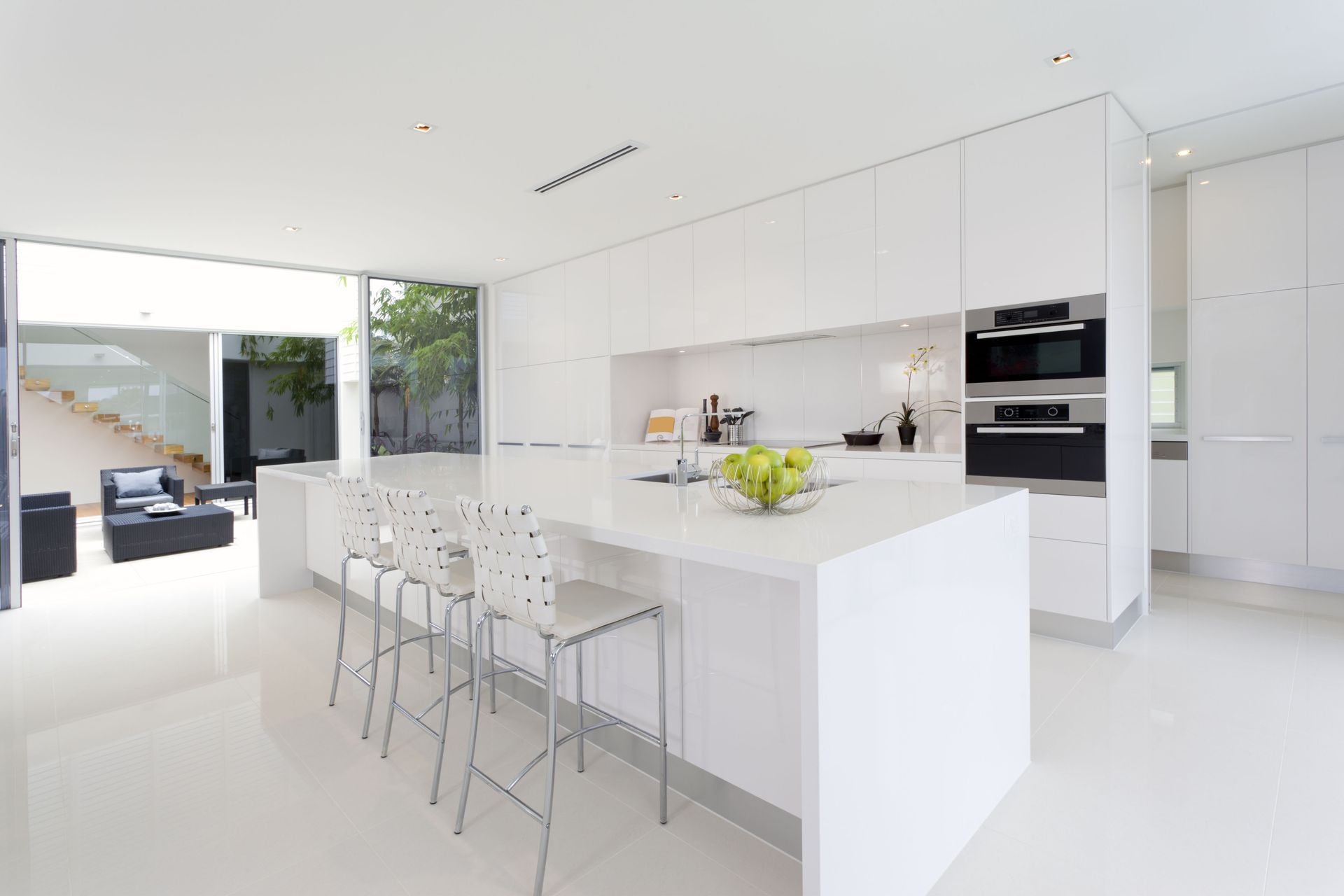
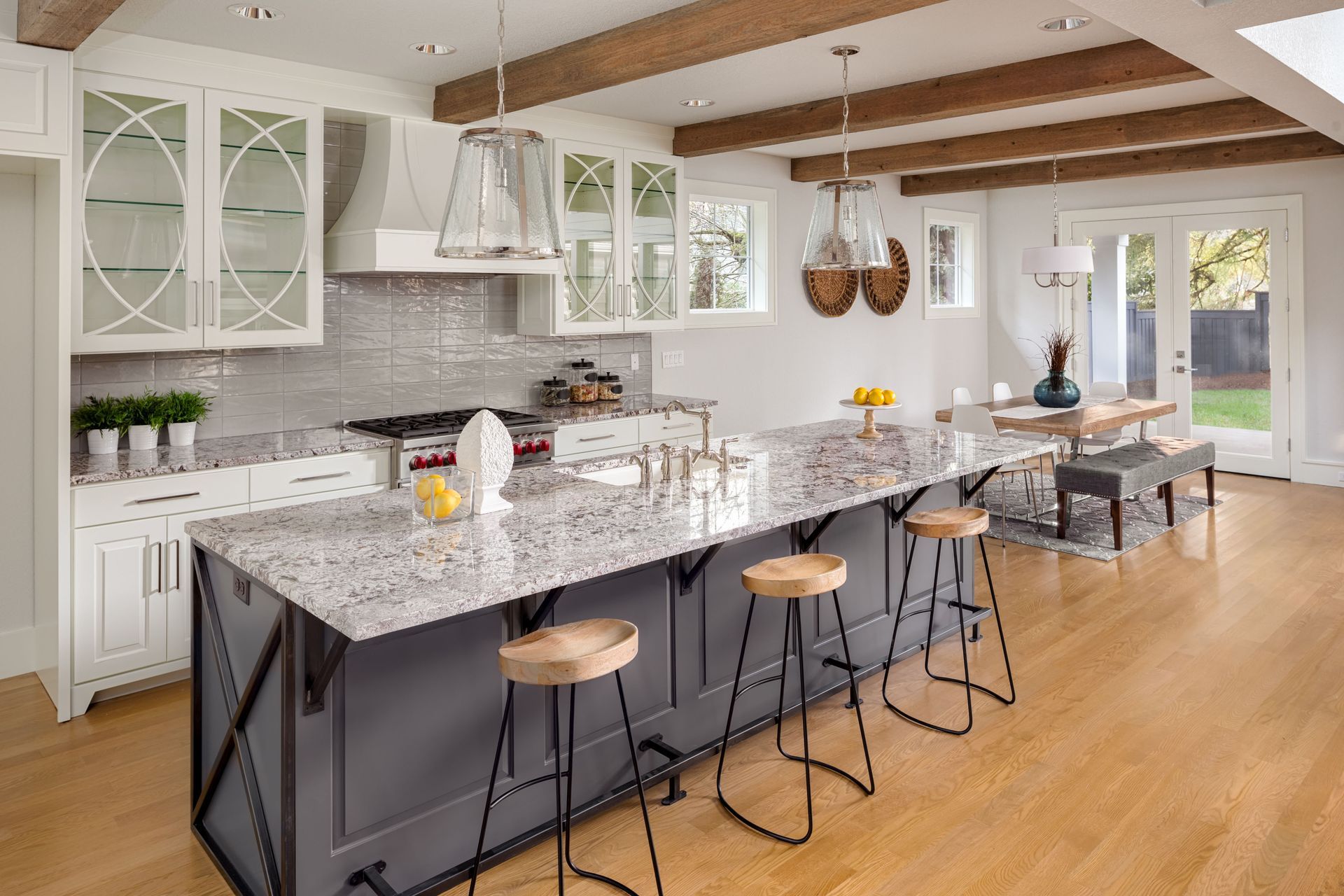
For those who love to entertain, kitchen islands offer the perfect venue for hosting guests. They provide ample space for serving food and drinks while allowing the host to interact with guests comfortably. This open and inclusive setup encourages conversation and engagement, making social gatherings more enjoyable. Additionally, the island's design can be tailored to accommodate seating, further enhancing its role as an entertainment hub. By facilitating social interaction, the island becomes an integral part of the home's social dynamics.
The kitchen island often doubles as a casual dining area, offering a relaxed alternative to formal dining rooms. Its height and design are conducive to informal meals, breakfasts, or snacks, making it a versatile dining solution. This casual dining option is ideal for informal gatherings, providing a comfortable space for guests to enjoy meals while staying connected to the kitchen activities. The island's role as a casual dining area adds to its functionality, making it a valuable addition to any modern home.
Maximizing Space Efficiency
For small kitchens, a well-designed island can be a game-changer in optimizing space efficiency. By providing additional counter space and storage, it makes small kitchens more functional without overcrowding them. The island's compact design allows it to fit into limited spaces, maximizing the available area. This optimization is crucial in smaller homes where every square foot counts. By enhancing the kitchen's layout and functionality, the island proves to be an invaluable asset in small kitchen design.
In homes with open floor plans, the kitchen island plays a pivotal role in creating a seamless and integrated living space. Its strategic placement allows for a natural flow between the kitchen, dining, and living areas. This integration fosters a sense of openness and connectivity, enhancing the overall living experience. The island's ability to blend with the open floor plan makes it an essential component in modern home design. By promoting unity and continuity, the island enhances the home's overall layout and functionality.
Kitchen islands are effective tools for zoning different areas within the kitchen. By acting as a physical divider, they can separate cooking and dining spaces, creating distinct functional zones. This zoning is especially beneficial in busy kitchens, where multiple activities often occur simultaneously. By clearly defining these areas, the island enhances organization and efficiency. This ability to create distinct zones within the kitchen makes the island a valuable asset in optimizing kitchen layout and functionality. For professional
kitchen designers you can trust, contact Washtenaw Woodwrights Inc today.



Share On: