
How to Coordinate Various Elements in a Kitchen Remodel
Undertaking a kitchen remodel is an exciting yet challenging venture that requires meticulous coordination of various elements to ensure a successful outcome. The kitchen is often the heart of the home, and its renovation demands thoughtful planning and execution for a harmonious blend of aesthetics and functionality. In this article, we explore how you can effectively manage the intricate details of a kitchen remodel to achieve a space that not only meets your needs but also enhances the overall appeal of your home.
Section 1: Planning Your Kitchen Remodel
Define Your Objectives
Before diving into a kitchen remodel, it's crucial to clearly define your objectives. Understanding your priorities, whether it's increasing functionality, updating the design, or maximizing storage, will guide the entire remodeling process. Discuss with family members what aspects of the current kitchen work and what don't, and craft a vision accordingly. Well-defined objectives will help you stay focused and make informed decisions throughout the project. This foundational step ensures that the end result is aligned with your lifestyle and needs.
Research Inspiration and Trends
Gathering inspiration and researching current trends can spark ideas and bring clarity to your vision for the new kitchen. Platforms such as home design websites, magazines, and even social media can be excellent sources for discovering what style resonates with you. According to Houzz, most homeowners update their countertops (91%), backsplashes (85%), and cabinets (85%) during renovations, emphasizing the importance of staying aware of popular choices. Keeping an eye on trends allows you to incorporate modern, stylish elements into your design, adding value and appeal to your home. In combining your discoveries with practical functionality, you can create a space that feels personalized yet contemporary.
Develop a Timeline
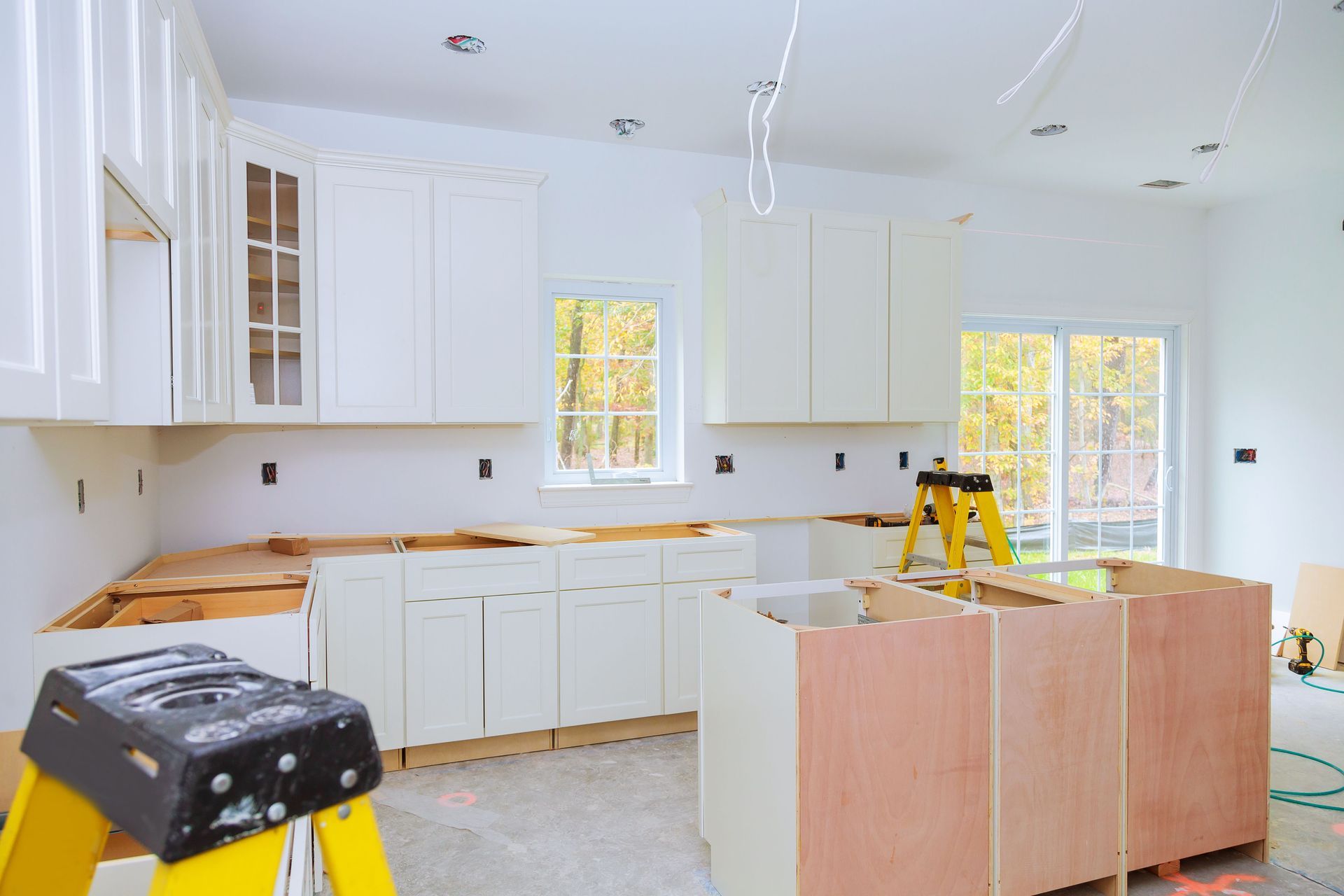
Creating a detailed timeline for your remodel sets the framework for all project activities. It helps in coordinating efforts amongst contractors, suppliers, and other stakeholders involved in the project. Timelines should be realistic, accounting for procurement, labor, and potential delays due to unforeseen circumstances. Breaking down the remodel into phases can make the process more manageable and allow corrections if needed. A well-planned timeline ensures that the kitchen project progresses efficiently and minimizes downtime, ultimately delivering the results within the desired timeframe.
Section 2: Selecting Materials and Finishes
Cabinets: Style and Material Choices
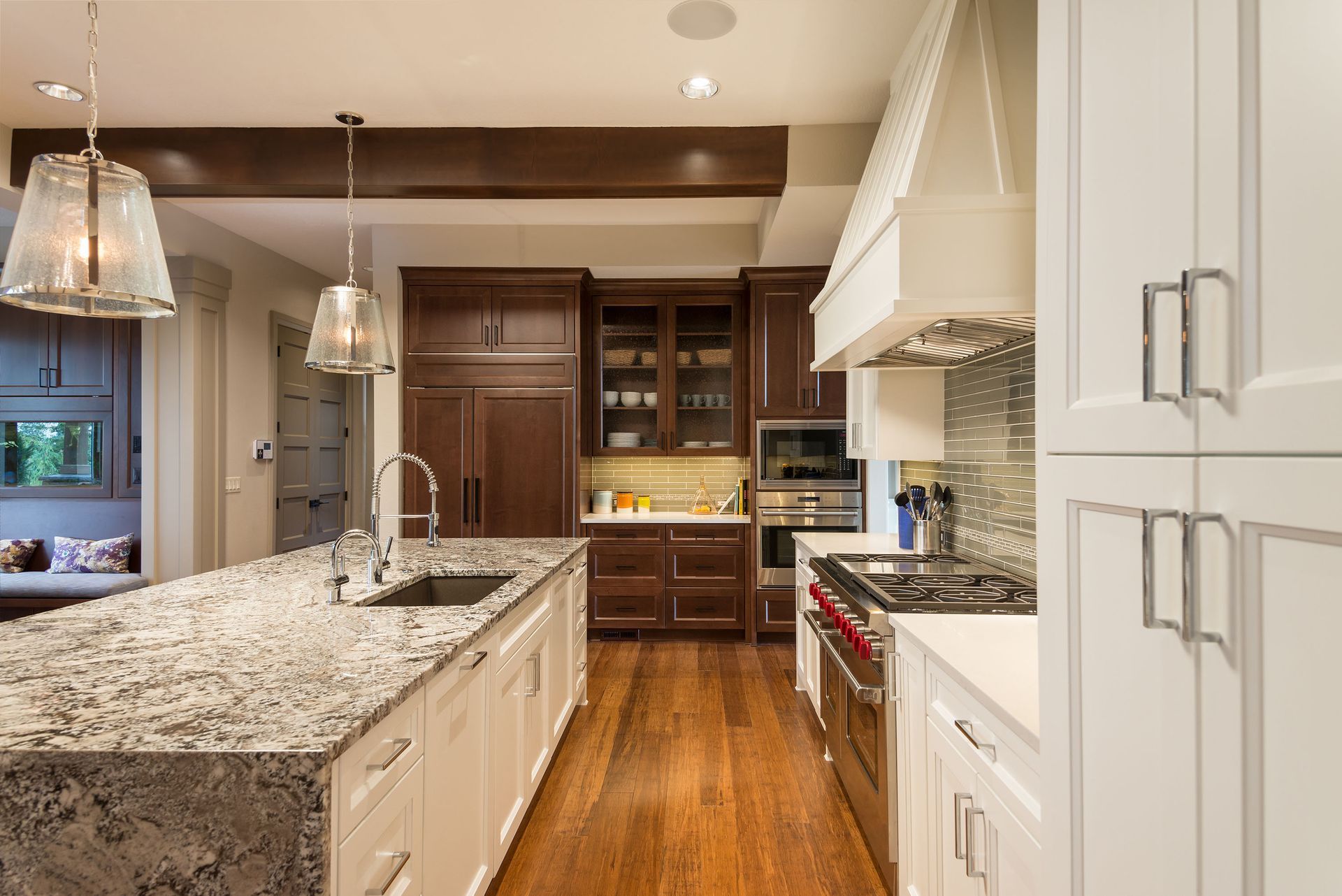
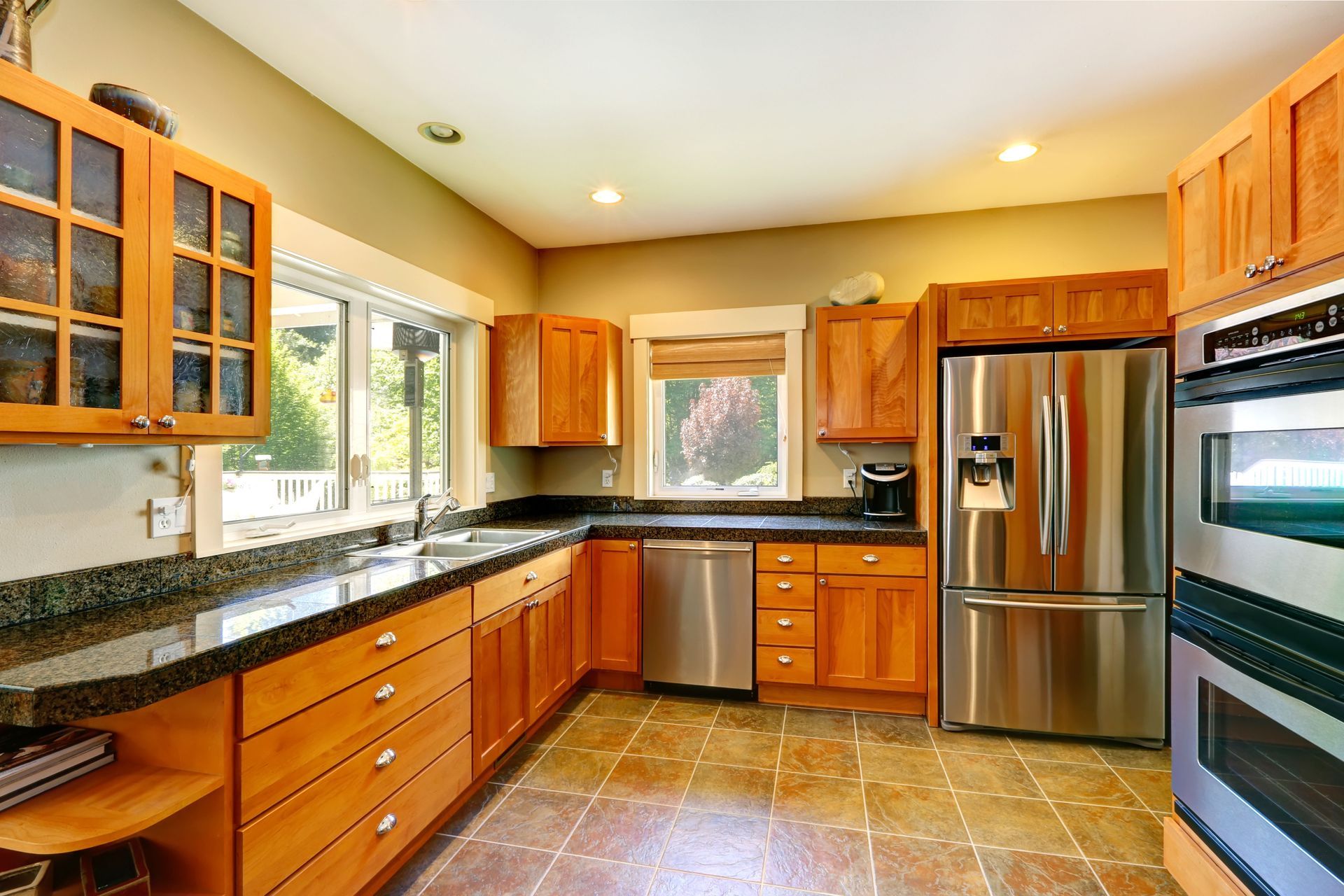
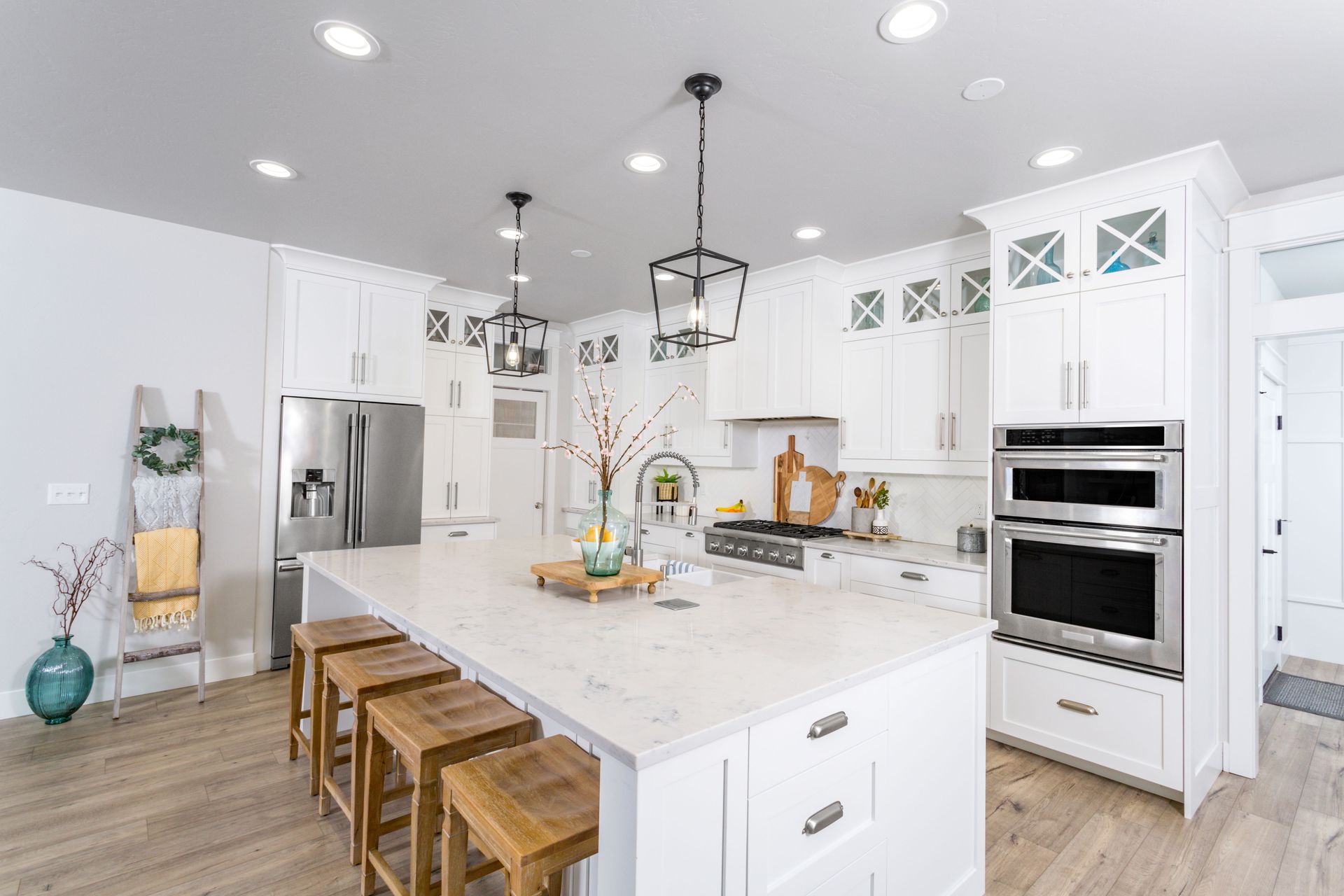
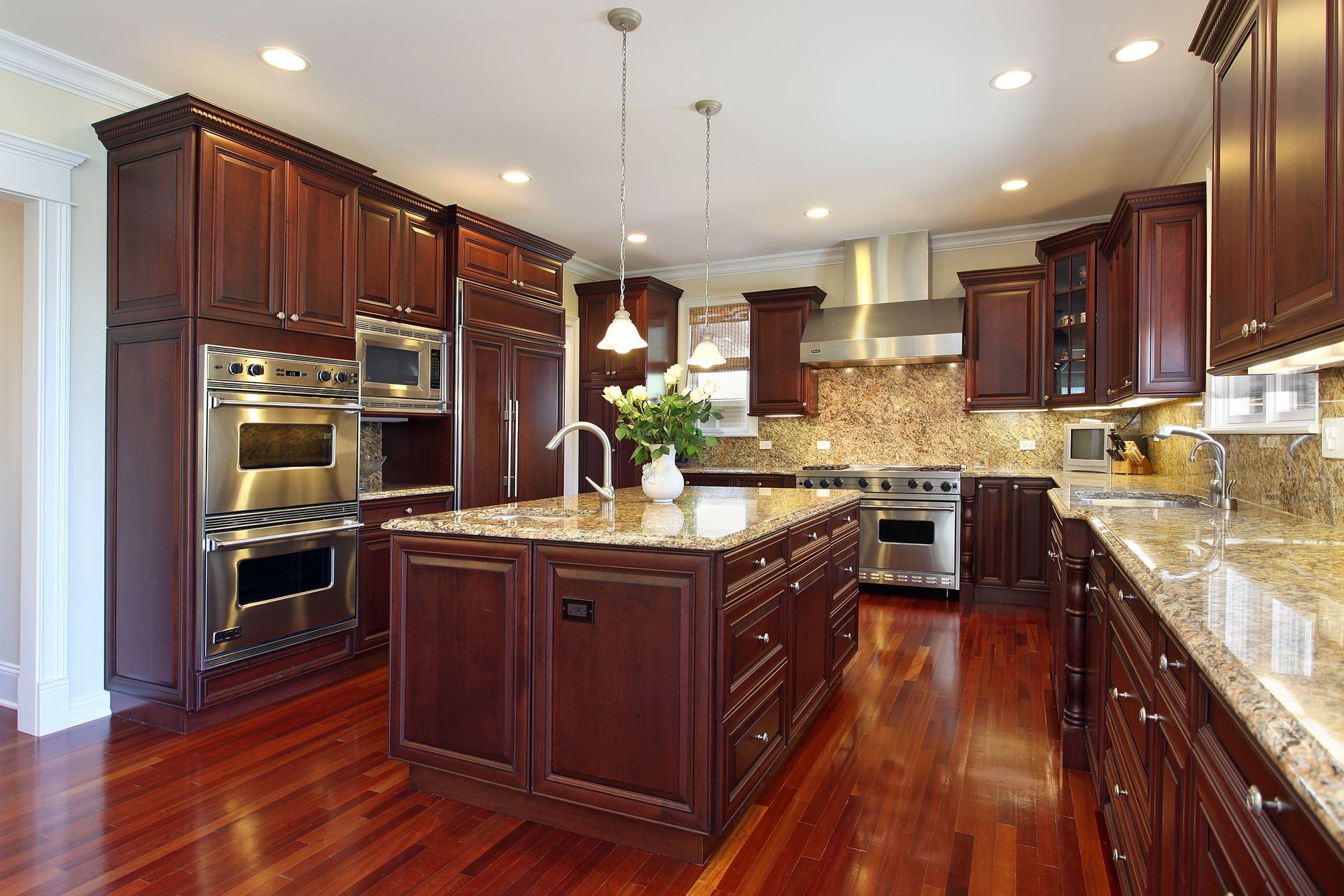
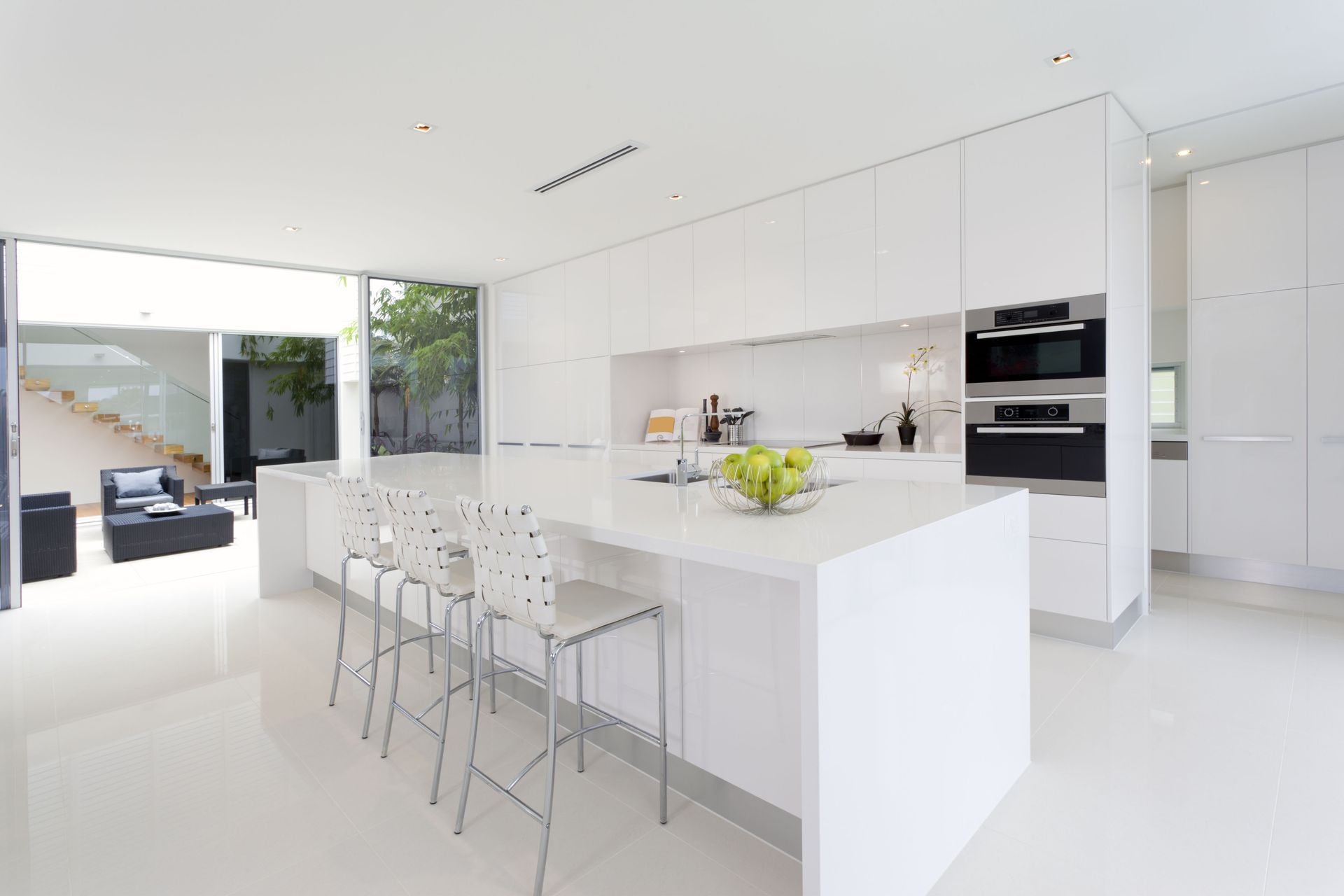
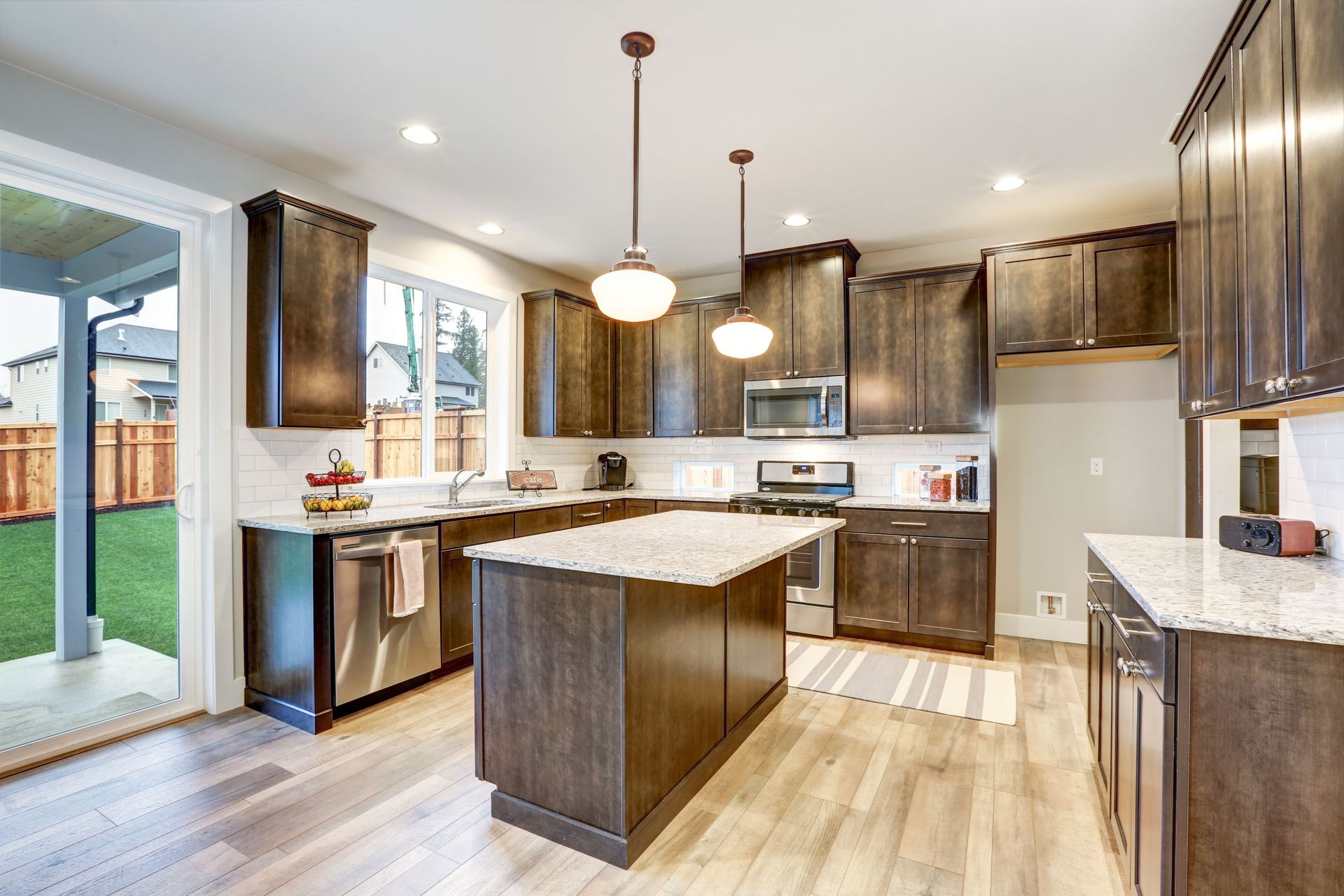
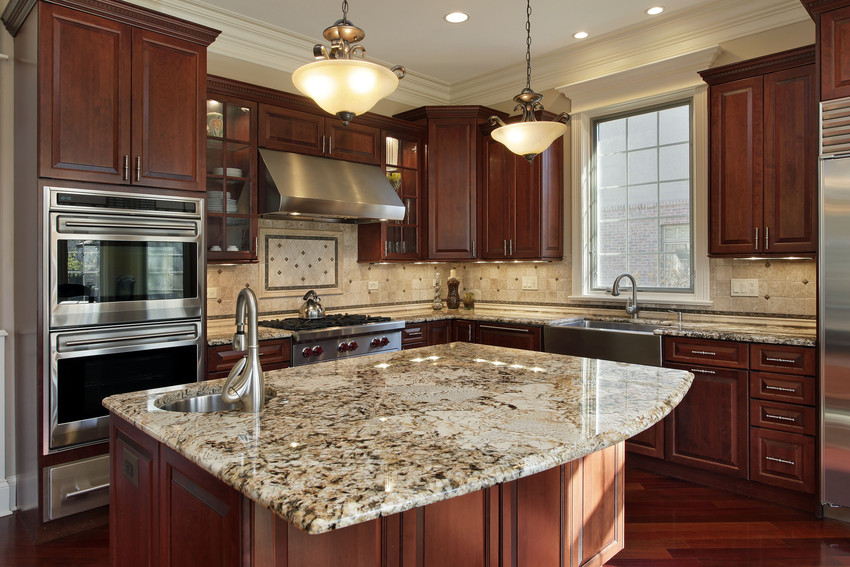
Cabinets play a pivotal role in the functionality and aesthetic of your kitchen, making their selection a critical decision in a remodel. From shaker to slab styles, and materials ranging from solid wood to laminate, the choices are abundant. Consider longevity and durability, especially in high-usage areas, when selecting cabinet materials. While wooden cabinets offer warmth and character, high-gloss finishes can give a modern edge. Ensuring that the cabinet style complements the overall theme of your kitchen will enhance its visual appeal.
Countertops: Functionality versus Aesthetics
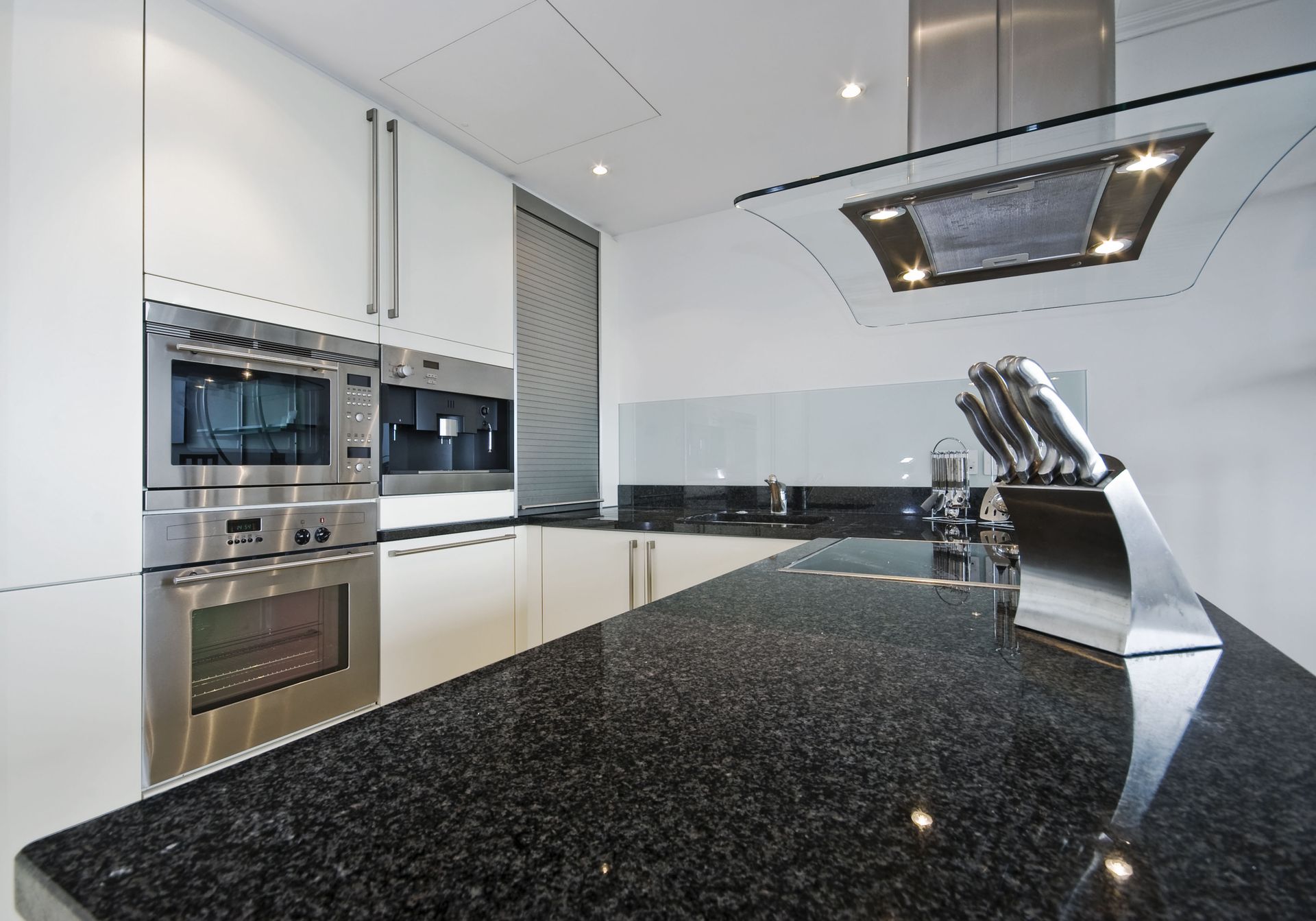
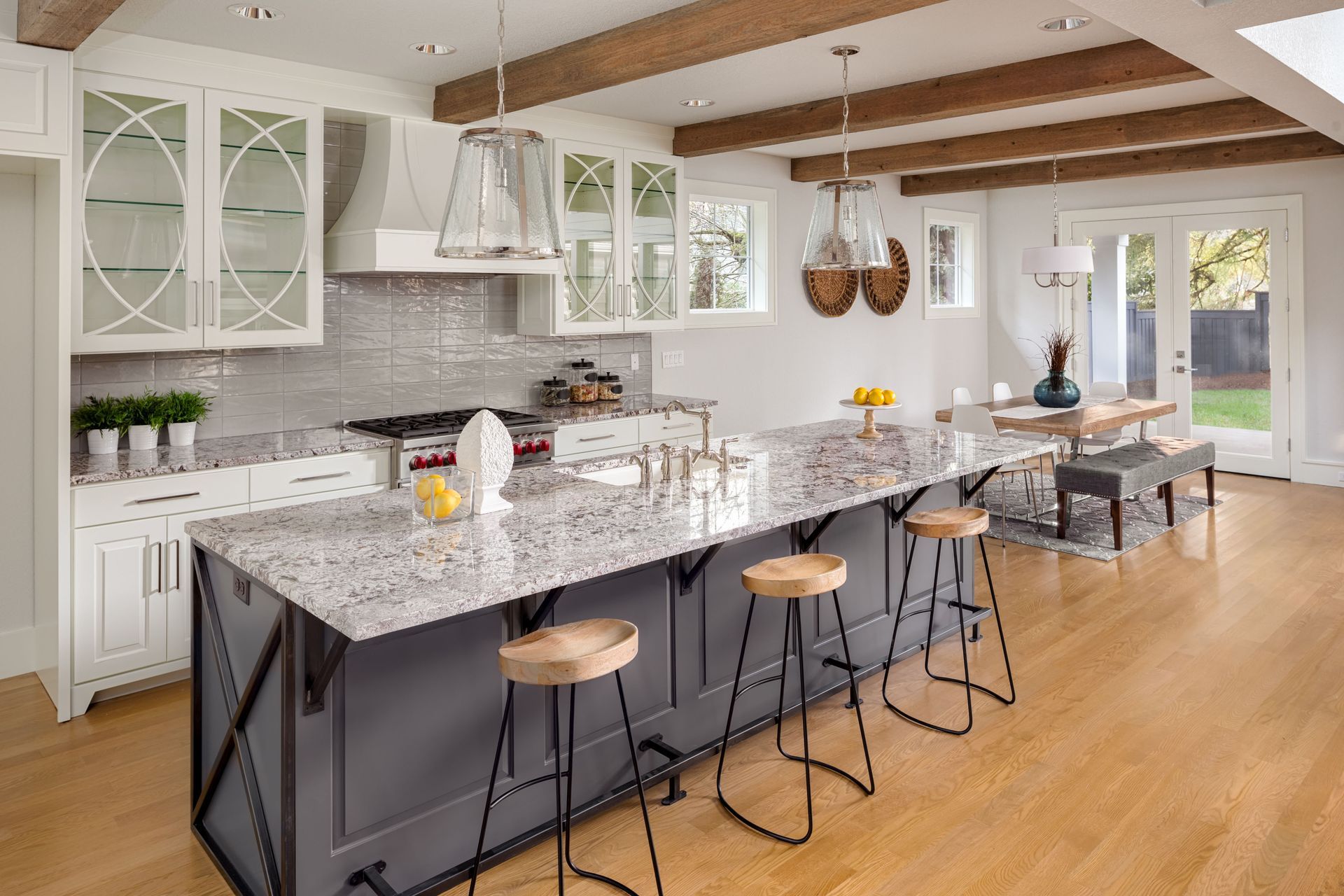
The countertop is not only a focal point of your kitchen but also one of the hardest-working surfaces. When choosing countertops, it's vital to balance functionality with aesthetics. Durable materials like granite, quartz, and solid surface are popular for their resilience and range of visual styles. Consider your cooking habits, as well, since some materials are better suited to withstand heat and stains. Ultimately, opt for a countertop that offers both longevity and complements your kitchen's design scheme.
Flooring: Durability and Style
Flooring is another foundational element in a kitchen remodel that deserves careful consideration. The choice of flooring material, whether tile, hardwood, or vinyl, should align with your lifestyle, preferences, and the kitchen's overall decor. Durability is key, especially in a high-traffic area like the kitchen, so selecting a material that withstands wear while maintaining its aesthetic appeal is crucial. Additionally, consider ease of maintenance and how the flooring coordinates with other elements in the kitchen. Your choice of flooring significantly contributes to the comfort and durability of the kitchen environment.
Section 3: Navigating the Layout and Design
Maximizing Storage Solutions
Maximizing storage is crucial in a kitchen remodel, ensuring the space is organized and efficient. Consider integrating custom storage solutions like pull-out shelves, deep drawers, and overhead cabinets. Innovative solutions, such as kitchen islands with storage or corner units, can significantly enhance space utilization. Customizing storage based on your specific needs, such as additional pantry space or utensil drawers, can elevate functionality. Strategically planned storage improves the kitchen's practical use and enhances everyday convenience.
Accessibility Considerations
Accessibility is a critical consideration in a kitchen remodel, promoting ease of use for all household members, including children and those with mobility challenges. Simple adjustments like lower countertops, accessible storage, and lever-style handles can make a significant difference. Features such as ample circulation space or pull-out pantry shelves cater to diverse needs without compromising style. Ensuring your kitchen is user-friendly and adaptable contributes to a welcoming, inclusive environment. Thoughtful design addresses accessibility, enhancing functionality for every user.
Section 4: Coordinating With Contractors and Suppliers
Choosing the Right Contractor
Selecting the right contractor is pivotal to the success of your kitchen remodel. Begin by seeking referrals and reviewing portfolios to ensure their expertise aligns with your project's scope. A reliable contractor will communicate openly, offer valuable suggestions, and maintain your budget and timeline. Their reputation and communication style can provide insight into their ability to fulfill your vision effectively. Building a solid relationship with your contractor lays the groundwork for a successful, less stressful remodeling experience.
Managing Supply Chain Timelines
Managing supply chain timelines is integral to avoiding delays in your remodeling project. Coordinate closely with suppliers, staying informed about potential setbacks and ensuring that materials arrive on schedule. Having clear communication with both suppliers and contractors can help synchronize installation activities seamlessly. Factoring in lead times for custom orders or imported goods avoids disruption and unexpected downtime. Efficiently managing these timelines keeps the project on track and minimizes stress.
Section 5: Integrating Appliances and Utilities
Energy-Efficient Appliance Selection
Choosing energy-efficient appliances plays a significant role in reducing both energy consumption and costs. Look for appliances with Energy Star certification, which indicates they meet stringent energy efficiency standards. New technology offers advanced functionality while minimizing environmental impact. Planning appliance integration into your remodel enhances the space's functionality while also promoting sustainability. Selecting energy-efficient models ultimately contributes to a greener kitchen with long-term savings on utility bills.
Coordinating Plumbing Needs
Coordinating plumbing needs is a vital part of integrating utilities into your kitchen remodel. Whether it's for sinks, dishwashers, or refrigerators with water dispensers, plumbing considerations require careful planning. Collaborate with qualified professionals to ensure installations are correctly executed and comply with building codes. Modern kitchen designs may offer opportunities to streamline plumbing for increased efficiency and maintenance access. Addressing plumbing needs conscientiously helps avoid future issues and fortifies your kitchen's functionality.
Ensuring Safety Protocols
Adhering to safety protocols during a kitchen remodel ensures a secure environment for both workers and household members. Evaluate design and construction plans, considering elements like fire safety, electrical safety, and non-slip floors. Work with contractors to enforce strict adherence to building regulations and codes. Additionally, consider childproofing features for kitchens frequently accessed by children. A safety-conscious approach creates a kitchen that is not only aesthetically pleasing but also protects everyone who uses the space.
Successfully coordinating a kitchen remodel involves the careful orchestration of multiple elements, from planning and design to implementation and completion. Ultimately, a well-executed kitchen renovation enriches your home environment, increases property value, and provides a central hub for family and friends. This holistic and coordinated approach ensures the final result is a harmonious fusion of personal style and practical function, creating a kitchen that truly serves as the heart of the home. If you're looking for kitchen remodeling services, contact Washtenaw Woodwrights Inc today.



Share On: