
Are All White Kitchens Still In Style for 2026 and Beyond?
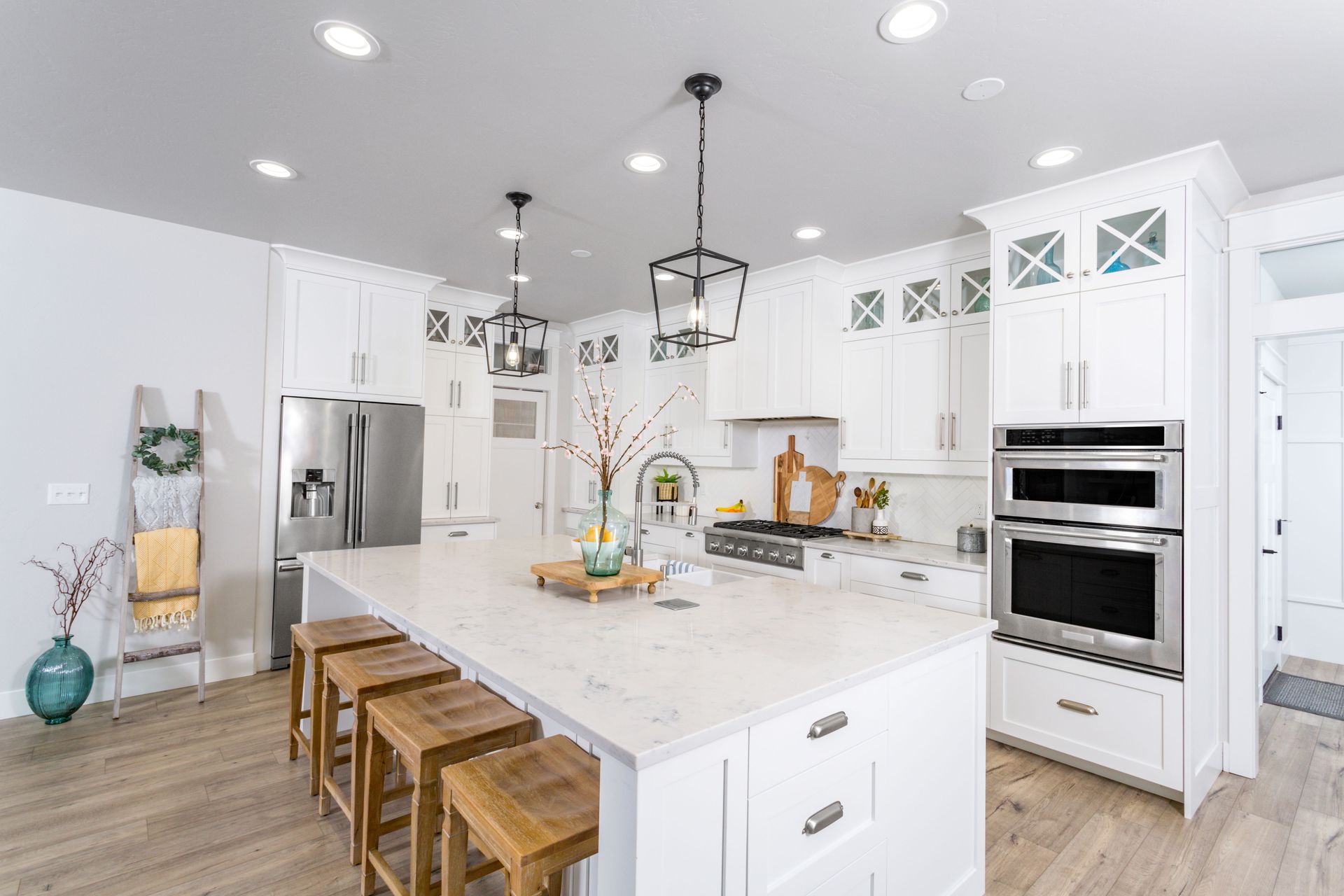
All white kitchens have long symbolized simplicity, brightness, and refined design, but many homeowners are now asking whether this classic look will remain relevant in 2026 and beyond. While trends continue to evolve, white kitchens still hold a strong place in modern interiors due to their versatility and timeless appeal. Today’s kitchen designers are reimagining the all-white aesthetic with layered textures, warmer finishes, and personalized details that keep it feeling fresh rather than dated.
Examine the Origins of White Kitchens
The popularity of white kitchens dates back to the early twentieth century, when cleanliness and efficiency became priorities in home design. White surfaces were associated with sanitation and order, making them a natural choice for kitchens in growing urban environments. Over time, influential architects and early kitchen contractors embraced minimalism, reinforcing white as a symbol of modern living.
Cultural influences have continued to shape this trend, from mid-century color experimentation to the resurgence of minimalist lifestyles in recent decades. The enduring association with cleanliness and simplicity has kept white kitchens relevant, offering homeowners a sense of calm and structure in busy daily life.
Evaluate Modern White Kitchen Trends
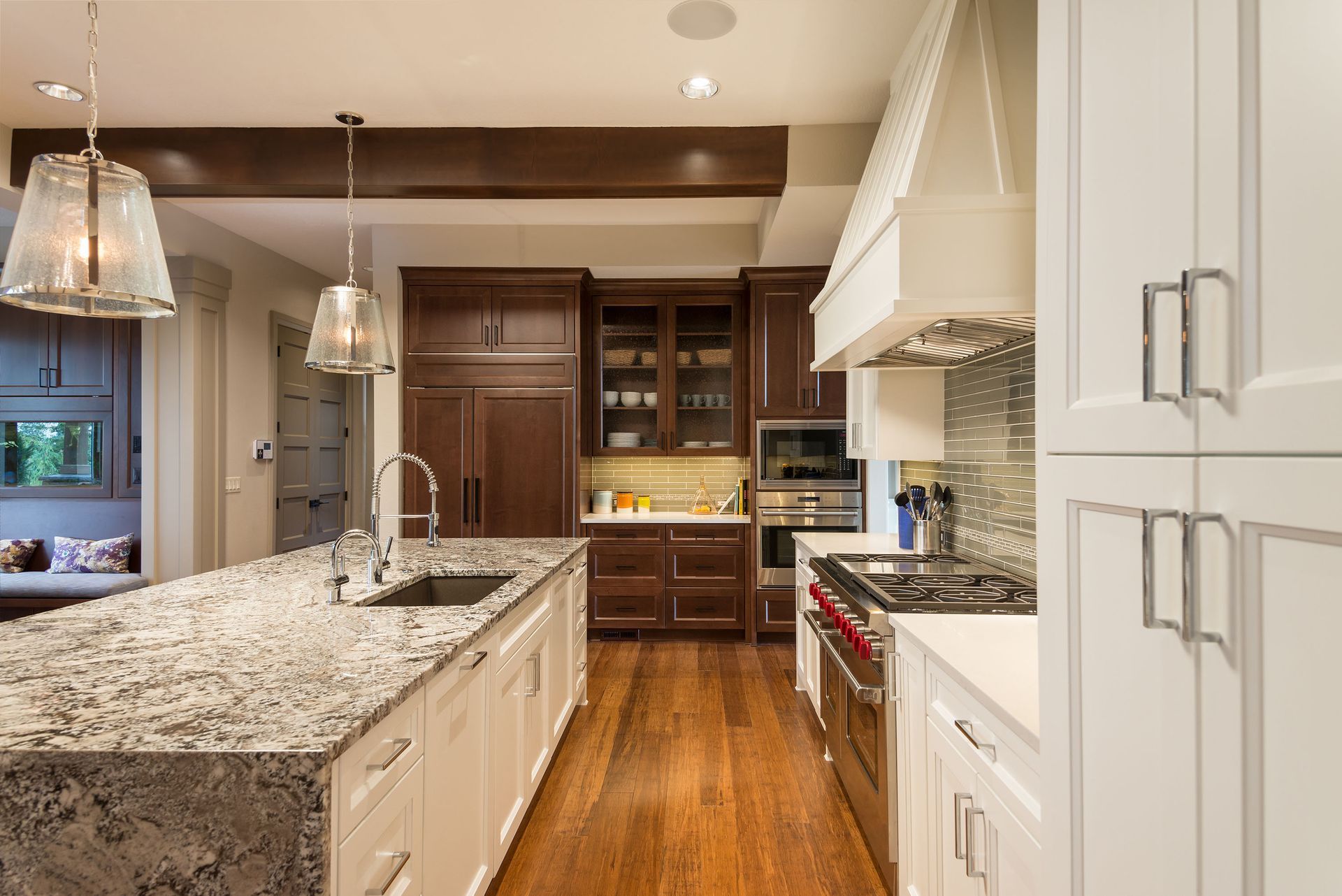
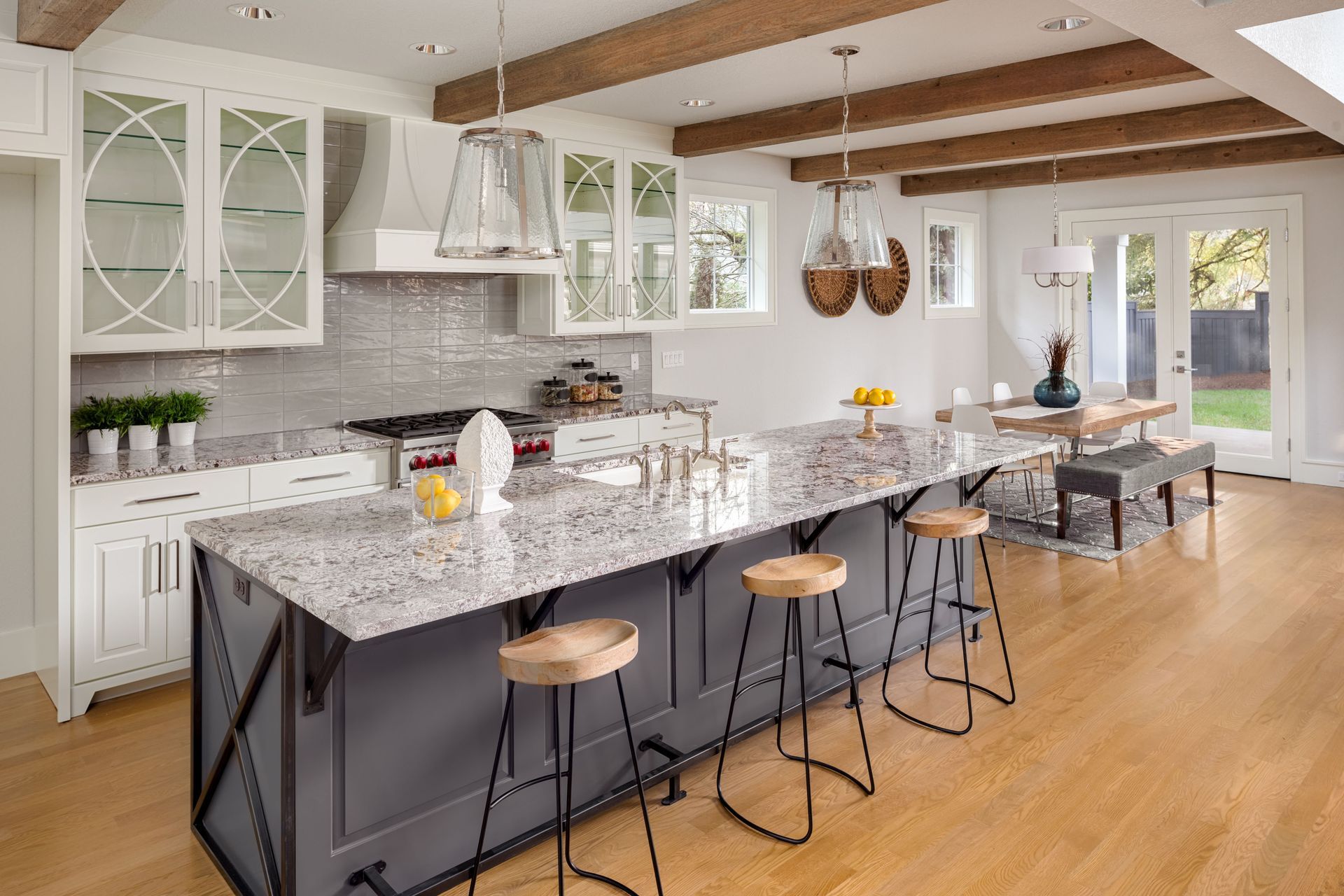
Today’s kitchen designers rarely rely on a purely monochromatic approach. Instead, they incorporate two-tone cabinetry, natural wood accents, and mixed materials to create depth and visual interest. White often serves as the foundation, while darker tones or organic textures provide contrast and warmth. Matte finishes, subtle veining in stone surfaces, and layered hardware choices help break up uniformity while maintaining a cohesive look. This thoughtful blending of elements allows kitchen designers to craft spaces that feel dynamic without overwhelming the overall design.
Innovations in lighting and smart technology further enhance these spaces, allowing homeowners to shift ambiance with ease. Layered lighting strategies, including under-cabinet illumination and adjustable fixtures, can dramatically change how white surfaces appear throughout the day. Sustainable materials are also playing a larger role, as eco-conscious design blends seamlessly with white cabinetry to create kitchens that are both stylish and responsible. Many kitchen contractors are prioritizing durable, low-maintenance materials that support long-term performance while aligning with modern environmental values.
Recognize the Benefits of White Kitchens
One of the most significant advantages of an all-white kitchen is its ability to reflect light and make spaces feel larger. This is especially valuable in smaller homes, where brightness can dramatically improve the overall atmosphere. Natural and artificial light both bounce off white surfaces, helping eliminate shadows and create a more open, airy feel throughout the room. Many kitchen designers continue to recommend white palettes for this reason alone, particularly in layouts where maximizing visual space is a priority.
White kitchens are equally valued for their flexibility. They act as a blank canvas, allowing homeowners to update their look through décor, fixtures, or finishes without a full renovation. Simple changes such as swapping hardware, introducing new textiles, or updating lighting can completely transform the space while keeping the core design intact. This adaptability contributes to their long-term appeal and makes them a practical choice for evolving design preferences, which is why kitchen designers often view white as a dependable foundation for both current and future styles.
Understand the Impact on Home Value
White kitchens remain a strong selling point in real estate because of their broad appeal. Buyers often appreciate the neutral backdrop, which allows them to envision their own style within the space. This universal attractiveness helps properties stand out in competitive markets, where first impressions can significantly influence purchasing decisions. A bright, clean kitchen can make an entire home feel more updated and move-in ready, which is why kitchen designers often prioritize white elements when creating spaces intended to attract a wide range of buyers.
Industry data reinforces this trend, as according to Houzz, white cabinetry was still selected by 33% of homeowners upgrading their kitchens in 2024. This continued demand signals lasting confidence in white as a reliable design choice, even as other trends emerge. For homeowners considering resale or long-term value, kitchen contractors frequently recommend incorporating white cabinetry or finishes to maintain broad market appeal while still allowing room for personalized accents that can set a property apart.
Identify the Challenges of All White Designs
Despite their advantages, all-white kitchens do require careful maintenance. Surfaces can show stains, fingerprints, and wear more easily than darker finishes, which means regular cleaning is essential to preserve their appearance. High-quality materials can help mitigate these concerns, but they often come with a higher upfront cost.
Another challenge is the potential for a space to feel too uniform or sterile. To address this, kitchen designers often introduce texture through cabinetry finishes, backsplashes, or hardware. These subtle variations prevent the kitchen from feeling flat while maintaining the overall brightness of the design.
Incorporate Warmth and Personality
Modern white kitchens are moving away from stark minimalism and toward a more inviting aesthetic. Warm wood tones, brushed metals, and soft lighting are commonly used to balance the crispness of white surfaces. These elements create a more comfortable and livable environment by introducing contrast without overwhelming the space. Textured backsplashes, natural stone countertops, and layered finishes further soften the overall look, allowing kitchen contractors to maintain brightness while avoiding a cold or clinical feel.
Personalization is another key factor shaping the future of white kitchens. Homeowners are increasingly working with kitchen contractors to integrate unique details such as statement lighting, custom cabinetry, or subtle color accents that reflect their individual style. Open shelving, mixed hardware finishes, and tailored storage solutions are becoming more common as people seek both function and personality in their kitchens. This shift ensures that even within a classic white palette, no two spaces feel identical, giving kitchen designers more freedom to create kitchens that are both distinctive and timeless.
Consider Global and Cultural Influences
Design trends are no longer confined by geography, and global inspiration plays a significant role in shaping modern kitchens. European minimalism, Scandinavian functionality, and other international styles often influence how white kitchens are designed today. This cross-cultural approach keeps the aesthetic evolving.
Regional preferences still matter, however, as climate and lifestyle can affect material choices and color tones. Skilled kitchen contractors understand how to adapt the white kitchen concept to suit different environments while maintaining its core appeal.
Anticipate the Future of White Kitchens
Looking ahead, white kitchens are unlikely to disappear, but they will continue to evolve. The focus will shift toward layered designs that combine white with contrasting elements, advanced technology, and sustainable materials. This progression ensures that white kitchens remain relevant rather than repetitive.
As homeowners seek both functionality and individuality, kitchen contractors will play a crucial role in redefining how white kitchens are executed. Their expertise allows this classic style to adapt to modern expectations without losing its timeless foundation.
All white kitchens remain a strong design choice for 2026 and beyond, offering a balance of elegance, flexibility, and enduring style. While the all-white look is becoming more nuanced, it continues to provide a reliable base for innovation and personalization.
By working with experienced kitchen designers, homeowners can achieve a space that feels both current and timeless, blending classic elements with modern updates. If you are considering your next kitchen transformation, we invite you to partner with us at Washtenaw Woodwrights Inc to bring your vision to life.



Share On: